 Skip to content
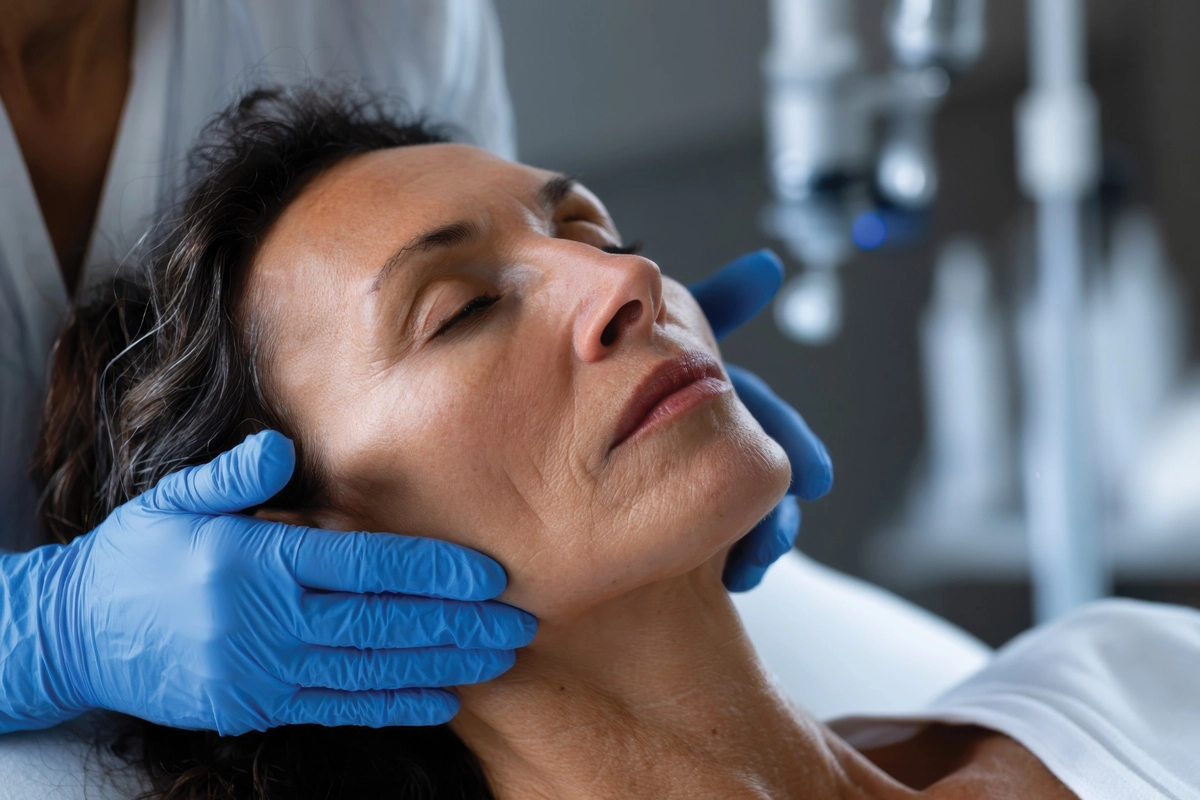
Table of Contents
Skin changes can feel frustrating when they do not respond much to creams, exfoliants, or at-home routines. Scars may leave an uneven texture. Stretch marks can make the skin look thinner or creased. Aging skin may start to show fine lines, laxity, enlarged pores, and dullness.
At Inspire Wellness & Aesthetics, Skin Resurfacing with Opus Plasma offers a non-laser option for patients who want smoother, firmer, and healthier-looking skin. This treatment uses RF energy with plasma technology to support collagen and elastin production, helping improve scars, stretch marks, uneven texture, wrinkles, and other visible signs of aging.
How does Opus Plasma help with scars, stretch marks, and aging skin?
Opus Plasma helps improve scars, stretch marks, and aging skin by using RF energy and plasma technology to create controlled stimulation in the skin. This process supports collagen and elastin production, which can help soften uneven texture, improve firmness, and make the skin look smoother and more refreshed over time.
What Makes Scars, Stretch Marks, And Aging Skin Hard To Treat?
Scars, stretch marks, and aging skin often involve changes below the surface, which is why topical skincare may only go so far. Creams can hydrate or brighten the skin, but they may not fully address uneven collagen, texture changes, or laxity.
Scars can look raised, indented, discolored, or rough. Stretch marks form when the skin stretches and the collagen structure changes. Aging skin may also show fine lines, wrinkles, dullness, enlarged pores, and reduced firmness.
Opus Plasma helps by creating controlled stimulation in the skin, encouraging a natural renewal response that supports smoother, healthier-looking skin over time.
How Opus Plasma Works As A Non-Laser Skin Resurfacing Treatment
Knowing how Opus Plasma works starts with its two-part technology. Opus Plasma combines radiofrequency energy with plasma technology. Unlike traditional laser resurfacing, it does not rely on laser light to target the skin. Instead, it uses fractionated plasma and RF energy to create controlled micro-injuries that prompt the skin’s repair process.
That controlled response is important. The goal is not to damage the skin aggressively, but to trigger renewal in a precise way. As the skin heals, collagen and elastin production are encouraged. These proteins help support smoother texture, better firmness, and a more refreshed appearance.
Another reason patients may consider Opus Plasma is flexibility. Treatment intensity can be adjusted based on the area being treated, the concern being addressed, and the patient’s skin goals. Someone treating fine lines may need a different approach than someone treating stretch marks or acne-like scarring.
How Opus Plasma Helps Improve Scars And Uneven Skin Texture
Scars can affect skin texture, tone, and smoothness. Some are shallow, while others are deeper or more noticeable because of collagen changes beneath the surface.
Opus Plasma supports scar improvement by encouraging new collagen remodeling. As the skin repairs itself, the treated area may gradually look smoother and more even.
Results vary based on scar type, age, depth, and skin response. The goal is gradual improvement in texture and appearance, not instant correction.
How Opus Plasma Supports Stretch Mark Treatment
Stretch marks are tied to changes in the skin’s collagen structure, which is why they can remain visible even after they fade in color.
Opus Plasma may help improve stretch marks and skin texture by supporting renewal and collagen production in the treated area. Over time, this can help soften visible texture and improve the overall look of the skin.
A series of treatments may be recommended depending on the area, severity of the stretch marks, and how the skin responds.
How Opus Plasma Addresses Fine Lines, Wrinkles, And Aging Skin
Aging skin may show fine lines, wrinkles, dullness, enlarged pores, crepey texture, and mild laxity. These changes often happen as collagen and elastin support decrease over time.
Opus Plasma can be used as a non-laser treatment for aging skin because it supports collagen renewal and skin firmness. It may also be a helpful treatment for skin laxity for patients who want smoother, tighter-looking skin without surgery.
The main Benefits Of Skin Resurfacing with Opus Plasma include:
- Smoother-looking texture
- Brighter, more even-looking tone
- Softer appearance of fine lines, wrinkles, scars, and stretch marks
- Support for firmer-looking skin
- Adjustable settings based on the patient’s concerns
What Areas Can Be Treated With Opus Plasma?
Opus Plasma is often used for facial rejuvenation, but it can also be considered for areas with texture concerns, laxity, stretch marks, scars, or crepey skin. The right area depends on the patient’s skin condition and goals.
Common treatment areas may include:
- Face
- Neck
- Chest
- Abdomen
- Arms
- Areas with stretch marks, scars, rough texture, or crepey skin
Each plan should match the concern being treated. Scars may need a more focused approach, while stretch marks may require a broader treatment area. Our team evaluates the skin, talks through the patient’s goals, and customizes Opus Plasma Skin Resurfacing in Atlanta, GA based on the area, concern, and expected recovery.
What To Expect From Treatment, Downtime, And Results
During an Opus Plasma session, the device applies RF energy and plasma to the skin to create controlled micro-injuries. Patients may feel warmth, heat, or tingling during treatment. A topical anesthetic may be used to help improve comfort. Sessions may take about 15 to 30 minutes, depending on the size of the treatment area and the concerns being addressed.
After treatment, the skin may look red, feel warm, or have mild swelling. Some patients may also notice dryness, roughness, or peeling as the skin begins its renewal process. Downtime can vary depending on treatment intensity, area treated, and individual skin response.
Results develop gradually. Some surface changes may become noticeable as the skin heals, but collagen-related improvements take time. For scars, stretch marks, and aging skin, a series of treatments may be recommended to support more visible improvement.
Smoother Skin Starts With A Personalized Plan
Scars, stretch marks, and aging skin can make the skin feel less even than it used to, but those changes do not have to be ignored or covered up forever. Opus Plasma Skin Resurfacing offers a non-laser way to support collagen renewal, improve texture, and help the skin look smoother and more refreshed over time. To learn if this treatment is right for your skin, Book your non laser skin resurfacing consultation today with Inspire Wellness & Aesthetics in Atlanta, GA.


